Freight pricing made easier for growing businesses
Understand freight pricing, compare shipping options, and make confident decisions for your supply chain.
What goes into a freight rate?
There’s no single price for moving freight. Your rate reflects the details of your shipment, the service you need, and current transportation market conditions.
Distance
The farther your freight travels, the more transportation typically costs. Origin, destination, and the specific lane can all influence your rate.
High impactFreight characteristics
The type of freight you’re shipping matters. Special handling, temperature control, oversized dimensions, or high-value cargo may require specialized equipment or services.
High impactMarket conditions
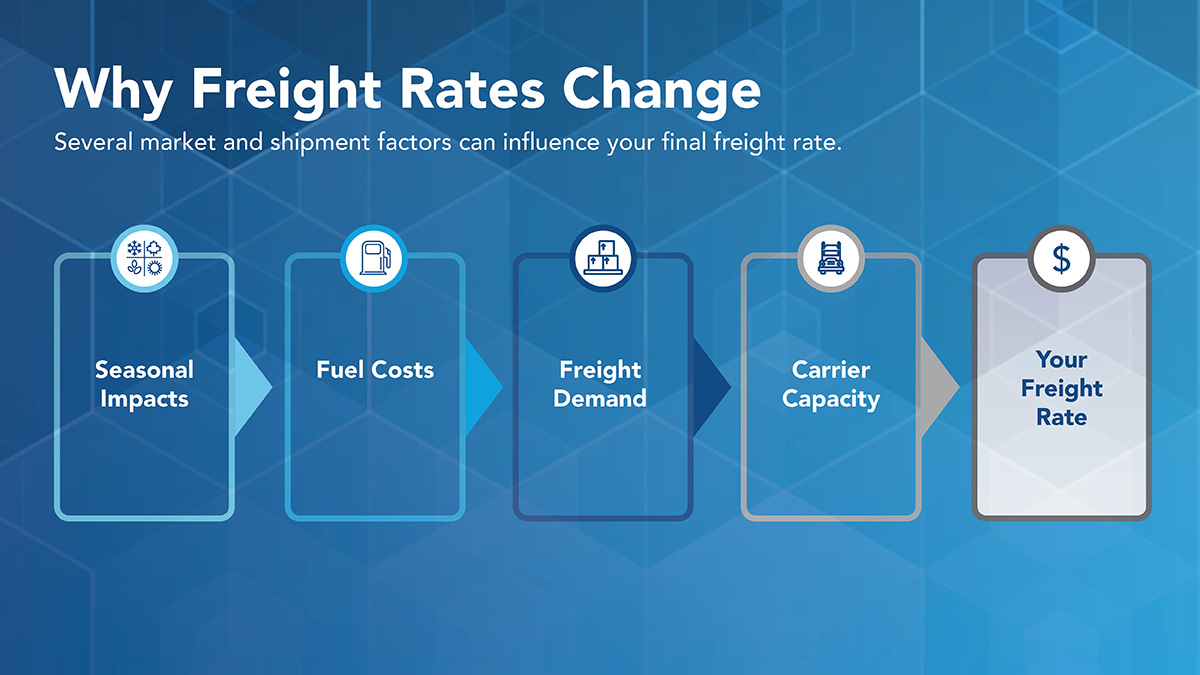
Available carrier capacity, seasonal demand, fuel costs, and other market conditions can cause freight rates to change over time.
Medium impactShipment size
Weight, dimensions, and how much space your freight takes up can all affect your transportation costs.
High impactService requirements
Additional services such as appointment delivery, liftgates, residential delivery, or expedited transit can affect the final rate.
High impactPricing built around your shipment
Simple ways to save on LTL shipping
Smarter shipping decisions can lead to meaningful savings. Explore practical ways to optimize LTL costs through better shipment planning, greater rate visibility, and more flexible service options.
Which shipping mode is right for your freight?
The right transportation mode depends on more than price. Consider your shipment size, distance, timeline, and priorities to find the option that best fits your business.
| Mode | Details | Cost |
|---|---|---|
| LTL | Best when you have timing flexibility and don’t have enough freight to fill a whole trailer | $$ |
| FTL | Most direct option | $$$ |
| Intermodal | Freight that is not time sensitive | $ |
| Temperature controlled | For temperature sensitive freight | $$$ |
| High value | Specialized FTL | $$$$ |

Best for larger shipments that require a dedicated truck
Truckload rates are typically based on factors such as mileage, origin and destination, equipment type, and current market capacity. Rates may also fluctuate based on seasonality and demand.
Key pricing factors:
- Distance
- Equipment type
- Pickup/delivery location
- Freight market conditions
- Appointment requirements

Best for shipments that don't require a full trailer
With LTL, your freight shares trailer space with shipments from other businesses. Pricing is generally based on freight class, dimensions, weight, and the distance being shipped.
Key pricing factors:
- Freight class
- Weight
- Dimensions
- Origin/destination
- Accessorial charges
Best for balancing cost savings and reliability on longer-haul freight
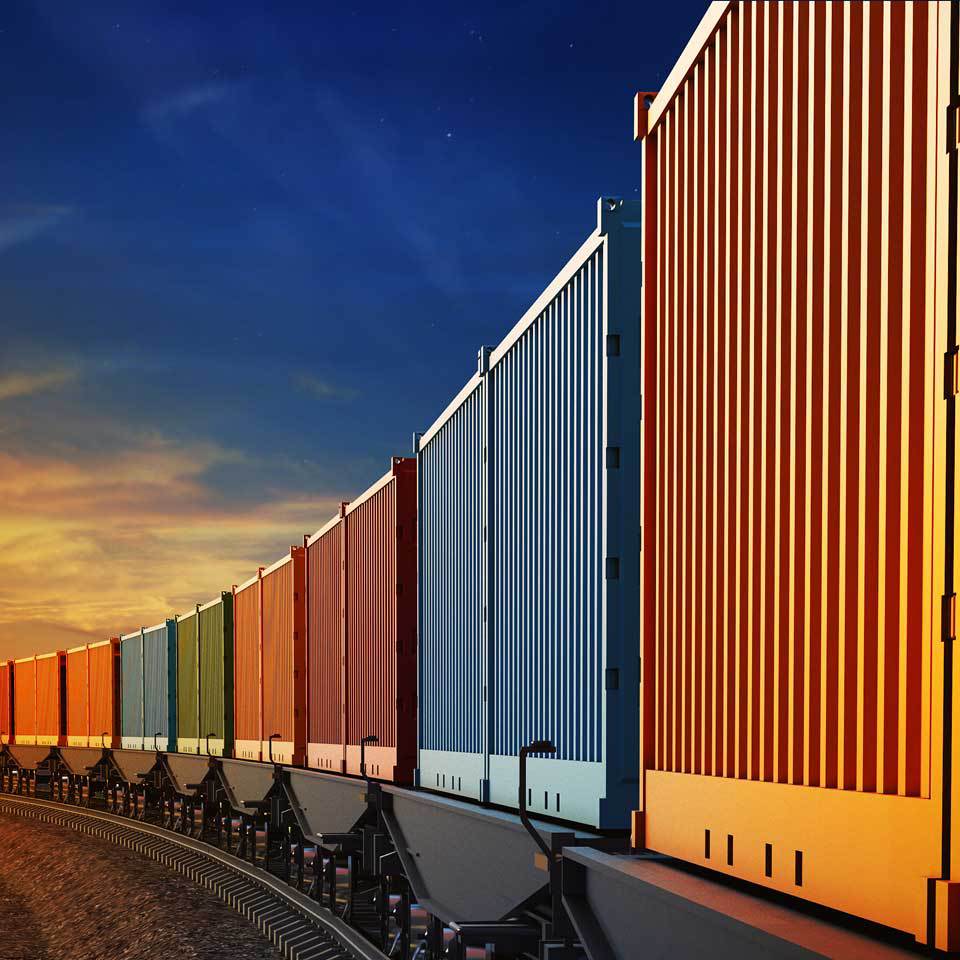
Intermodal combines rail and truck transportation. Rates are typically influenced by distance, lane availability, container capacity, and market conditions.
Key pricing factors:
- Lane availability
- Container capacity
- Distance
- Fuel & market conditions
- Transit requirements