- AI transforms LTL optimization from a shipment-level task into a network-wide capability—enabling dynamic routing, consolidation, and carrier selection across locations to improve cost-to-serve and performance.
- Enterprise shippers managing large, multi-location networks face a common challenge: traditional LTL optimization approaches don’t scale. As distribution footprints expand and service expectations increase, static routing guides and shipment-level planning create inefficiencies that compound across the network.
- AI-driven LTL optimization introduces a new model—one that continuously evaluates demand, carrier performance, and network conditions to make smarter decisions at scale.
Foundational LTL freight management strategies and modern transportation management systems (TMS) provide a strong starting point—but they are not designed to continuously optimize complex, multi-location freight networks in real time.
AI-driven LTL optimization introduces a new model—one that continuously evaluates demand, carrier performance, and network conditions to make smarter decisions at scale.
LTL Optimization as a Network-Level Challenge
LTL optimization has historically focused on individual shipments—selecting the lowest cost carrier or routing based on predefined rules. While effective in simple environments, this approach breaks down in complex, multi-location networks.
As organizations grow, fragmentation across distribution centers leads to inconsistent carrier performance, missed consolidation opportunities, and significant variability in cost-to-serve.
Many organizations begin with foundational LTL efficiency strategies, but these approaches often fail to scale across locations or adapt to changing network conditions.
To unlock meaningful improvement, LTL optimization must evolve beyond shipment-level decisions into a coordinated, network-wide strategy supported by broader supply chain efficiency initiatives.
Why Multi-Location LTL Networks Break Traditional Models
Traditional optimization models rely on static inputs—fixed routing guides, historical rates, and siloed decision-making. These limitations create structural inefficiencies when applied to multi-location freight networks.
- Static routing: Routing guides are rarely updated quickly enough to reflect changes in carrier performance or market dynamics.
- Siloed decisions: Locations optimize independently, limiting visibility into cross-network opportunities.
- Missed consolidation: Without network-level coordination, shipments that could be pooled or combined move separately.
Organizations often attempt to address these gaps through incremental improvements, such as efforts to cut LTL costs and improve efficiency, but these approaches rarely resolve the underlying network-level fragmentation.
How AI Transforms LTL Network Optimization
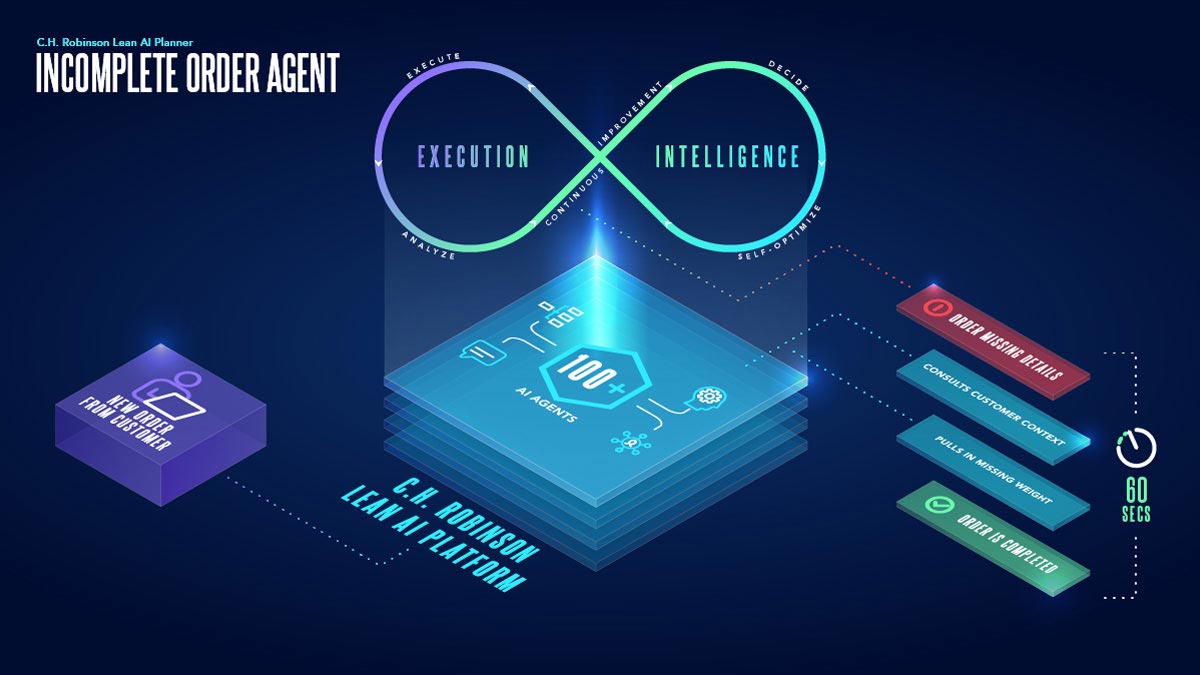
AI introduces a fundamentally different approach to LTL network optimization—one that continuously predicts, optimizes, and learns from network activity.
Rather than applying fixed rules, AI evaluates a wide set of inputs—including demand patterns, location data, and carrier performance—to make decisions dynamically across the network.
Dynamic Consolidation
AI can help identify consolidation patterns across locations and surface opportunities to pool freight, adjust routing, and improve utilization. This builds on traditional consolidation approaches outlined in inbound consolidation and logistics strategies, but scales them dynamically across the network. When applied effectively, these strategies can help reduce unnecessary moves, lower cost-to-serve, and improve utilization.
Predictive Routing
Instead of relying solely on rate tables, AI evaluates carrier performance trends and real-time network conditions. This allows shippers to proactively navigate disruption and align with the evolving LTL market dynamics influencing capacity and pricing.
Continuous Optimization
AI-driven systems operate in a continuous loop, adjusting decisions in real time as inputs change. This creates a resilient network model aligned with strategies for building resilient LTL networks in an increasingly volatile supply chain environment.
AI vs Traditional TMS-Based Optimization
Many organizations evolve from TMS-based LTL optimization into more advanced, AI-driven models as network complexity increases.
| Capability | Traditional LTL Optimization | AI-Driven LTL Optimization |
|---|---|---|
| Decision Model | Static routing rules | Predictive, adaptive decisioning |
| Optimization Scope | Shipment-level | Network-wide across locations |
| Optimization Frequency | Periodic (manual updates) | Continuous, real-time |
| Carrier Strategy | Fixed routing guide | Dynamic, performance-based allocation |
| Cost Model | Linehaul rate focus | Total cost-to-serve optimization |
| Consolidation | Limited, manual | Automated cross-location pooling |
| Disruption Response | Reactive | Predictive and proactive |
| Scalability | Constrained by team capacity | Scales with data and network complexity |
Where AI Drives ROI in LTL Networks
For enterprise shippers, AI-driven LTL optimization delivers measurable impact across several dimensions:
- Cost reduction: Improved consolidation and smarter routing reduce total network spend.
- Service improvement: Performance-based carrier selection drives consistency and reliability.
- Network efficiency: Continuous optimization eliminates fragmentation across locations.
These benefits build on foundational efforts to improve performance and efficiency but extend further into system-level optimization across the entire network.
Maturity Model: AI in LTL Optimization
For many shippers, AI adoption in LTL optimization can be viewed through a maturity curve:
- Foundational: Shipment-level visibility and basic TMS optimization
- Intermediate: Limited automation and rule-based optimization
- Advanced: AI-assisted decisioning across locations
- Leading: Fully integrated, network-wide AI optimization with continuous learning
Many organizations progress along this curve as they build on their core TMS capabilities and evolve toward more intelligent, adaptive supply chain systems.
Operating Model: Governing LTL Optimization
Achieving sustained value from AI-driven optimization requires strong governance and alignment across the organization.
- KPI alignment: Measuring total cost-to-serve, service performance, and network efficiency
- Governance cadence: Regular review of optimization outputs and network performance
- Cross-functional alignment: Coordination between transportation, procurement, and supply chain teams
These operating models align with broader initiatives focused on improving supply chain efficiency and creating scalable, data-driven processes.
Designing a Scalable AI-Driven LTL Network
To fully realize the value of AI-driven LTL optimization, shippers must design their networks with scalability in mind.
- Network design: Aligning distribution strategy with optimization goals
- Data integration: Connecting demand, carrier, and operational data sources
- Continuous optimization: Embedding AI into daily decision-making workflows
These strategies must evolve alongside broader LTL market trends that influence capacity, pricing, and service expectations.
AI-driven optimization builds on core LTL shipping services but extends beyond execution into intelligent, network-wide orchestration.
From Optimization to Orchestration
The future of LTL logistics is not just optimization—it’s orchestration.
AI enables shippers to move from reactive, fragmented decision-making to a coordinated, predictive model that continuously improves network performance.
For enterprise organizations managing complex networks, this shift represents a significant opportunity to reduce cost-to-serve, improve service consistency, and build a more resilient supply chain aligned with modern LTL resiliency and optimization strategies.