Artificial intelligence is the biggest thing in the digital realm, but like almost everything else in this world, it runs on physical supply chains. That’s important, because the AI sector continues to expand at an extraordinary pace. The Bank for International Settlements projected that the big AI companies would spend $1 trillion on capital expenditures in 2025-26. That kind of money buys a lot of hardware.
Behind those numbers is a global freight network moving processors, servers, memory chips, networking equipment, fiber optics, server racks, power supplies, and all the other components and technologies that make AI possible.
For the sector to sustain its breakneck pace of growth, all that gear must come together in the right places, at the right time, in the right order. In other words: logistics strategy is increasingly critical. Which parts have to move fast by air? Which ones can travel by ocean freight? How are components staged and transported by truck once they arrive from Asia? And how can data-center operators keep technology-refresh cycles moving, so that facilities are outfitted with the most up-to-date components?
Getting it right can be the difference between delivering value on time. or stalling out, falling behind, and losing millions.
Optimizing supply chains for speed-to-compute
AI infrastructure is unlike most supply chains. In other industries, a late shipment can cost you a sale. In AI, one missing shipment of critical components can mean a data center sitting unfinished, generating zero compute and revenue.
That’s why AI supply chains require a different mindset. The most important logistics metric is not merely transit time, on time in full, or the total landed cost of transportation. It’s speed-to-compute: how quickly critical technology can become productive capacity.
That changes how companies should think about transportation—focusing on the cost of delaying deployment versus the cheapest way to move a shipment. For some components, especially the high-value digital equipment that data centers depend on, the most expensive option may be the right one: air freight.
The numbers bear it out. In the past year, C.H. Robinson saw semiconductor and AI-related air freight volumes from Asia to the United States grow nearly 60%, and we expect them to remain the driver of Trans-Pacific air demand over the next 12 months.
But air freight capacity is not expanding at the same pace. Industrywide data in June showed 7.9% growth in air demand year over year for Asia-Pacific airlines, while capacity grew only by 4.3%. July demand was up 11%. This discrepancy is straining supply chains, including origins like Taiwan, China, South Korea, Thailand, and Vietnam, which are crucial for AI-related components.
At the same time, the fast-growing AI sector competes for the same scarce air capacity with other high-value goods like pharmaceuticals, automotive parts, and consumer electronics.
A smarter model for AI supply chains
Because speed to compute is the make-or-break factor in AI logistics, what lies at the core of a successful supply-chain strategy is smart risk management.
The first key task is segmenting cargo according to business impact. Critical-path technology may justify premium transportation. Less time-sensitive freight can often move through lower-cost options without jeopardizing project timelines.
Effective AI supply chains typically combine a well-calibrated mix of:
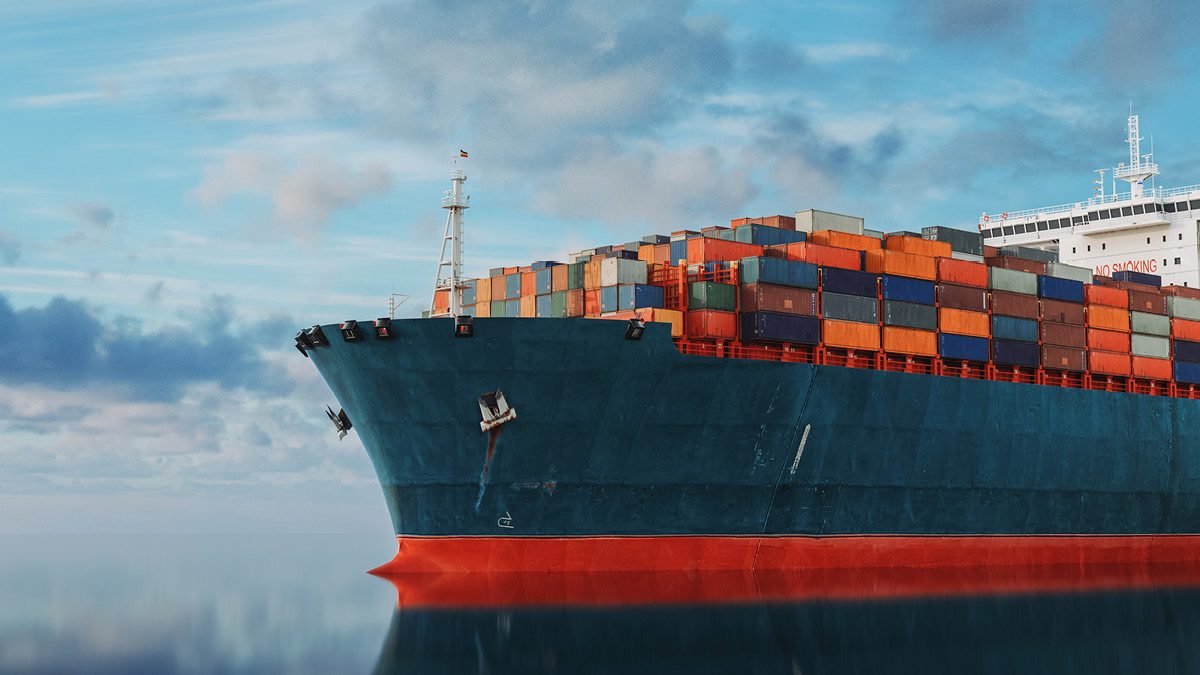
- Ocean shipping for heavier items such as construction materials, power and cooling equipment, and server racks as well as less time-sensitive shipments of replacement parts
- Air freight for critical-path components, including GPUs, memory modules, and high-performance networking switches
- Hybrid solutions that combine sea, air, or road legs to balance speed and cost
- Strategic prepositioning to reduce delay risk and minimize inventory costs
When both air capacity and timelines are tight, reserve air freight for the components that directly affect deployment schedules, book earlier on the most constrained lanes, and build alternate gateways into the plan. That gives companies more control over cost and capacity without compromising speed-to-compute.
Shippers should also take full advantage of sophisticated capabilities like agentic supply chain technology and item-level visibility to gain the granular, real-time situational awareness necessary to pivot when the market shifts or disruptions occur.
The bottom line
As AI investment continues to accelerate, supply chains will play a growing role in determining which projects move from planning to productive capacity on schedule. The companies that succeed may be the ones that can activate their infrastructure the fastest and keep it updated most efficiently.
`