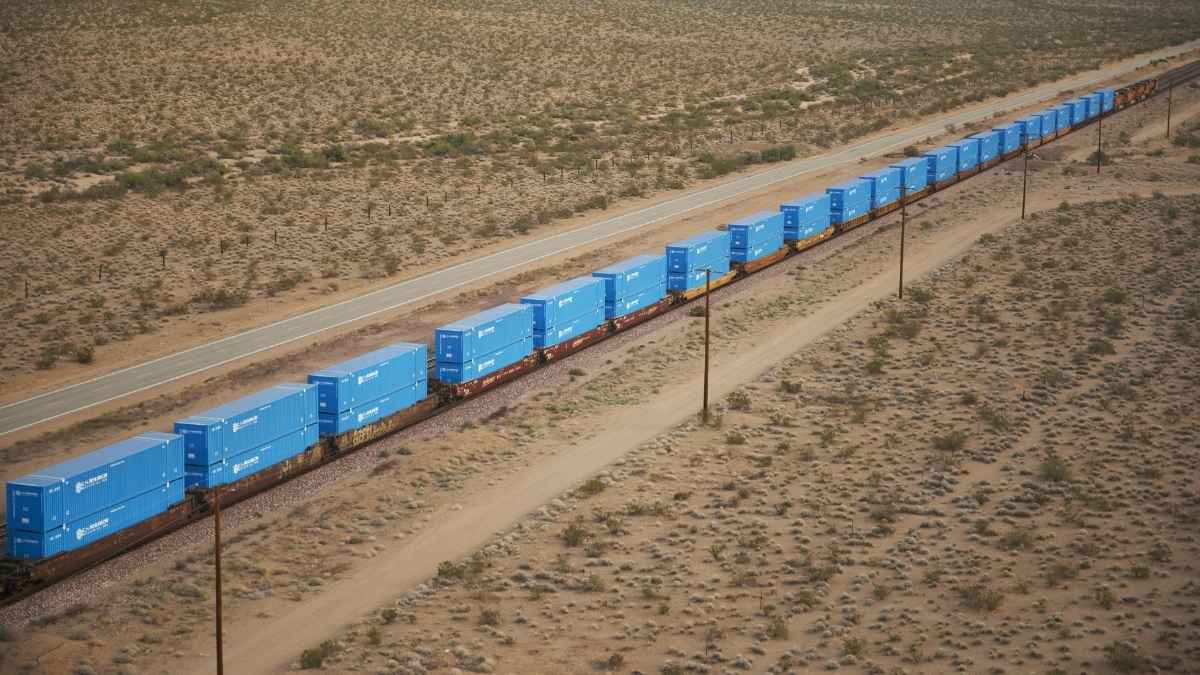
For years, shippers have viewed truckload and intermodal as serving two very different purposes. Truckload for speed and flexibility, intermodal for lower costs and longer transit times.
But what if you could get truckload-like transit times with the cost advantages and sustainability benefits of intermodal? That's exactly where expedited intermodal comes in.
What is expedited intermodal?
Helping bridge the gap between traditional truckload and standard intermodal, expedited intermodal is specifically designed for freight that requires tighter transit windows, higher service consistency, and dependable execution without the premium cost often associated with truckload shipping.
As transportation costs continue to rise and truckload networks face ongoing pressure from fuel volatility, capacity fluctuations, and driver shortages, many shippers are reevaluating long-standing mode decisions. Expedited intermodal is emerging as a compelling alternative, helping shippers reduce costs, improve network resilience, and maintain highly competitive transit times.
Here are five reasons more shippers are incorporating expedited intermodal into their transportation strategy:
1. Speed that competes with truckload
Expedited Intermodal is designed to provide transit times that closely align with standard truckload service across key freight corridors. This gives shippers a practical alternative for time-sensitive shipments that may have previously been considered truckload-only freight.
Many shippers are surprised to learn how competitive expedited intermodal transit times have become on major lanes. Advances in rail service performance, lower terminal dwell times, and improved network velocity have helped narrow the gap between truckload and intermodal transit times on many high-volume freight corridors. As a result, more freight that was traditionally considered "truckload only" is now being evaluated for expedited intermodal service.
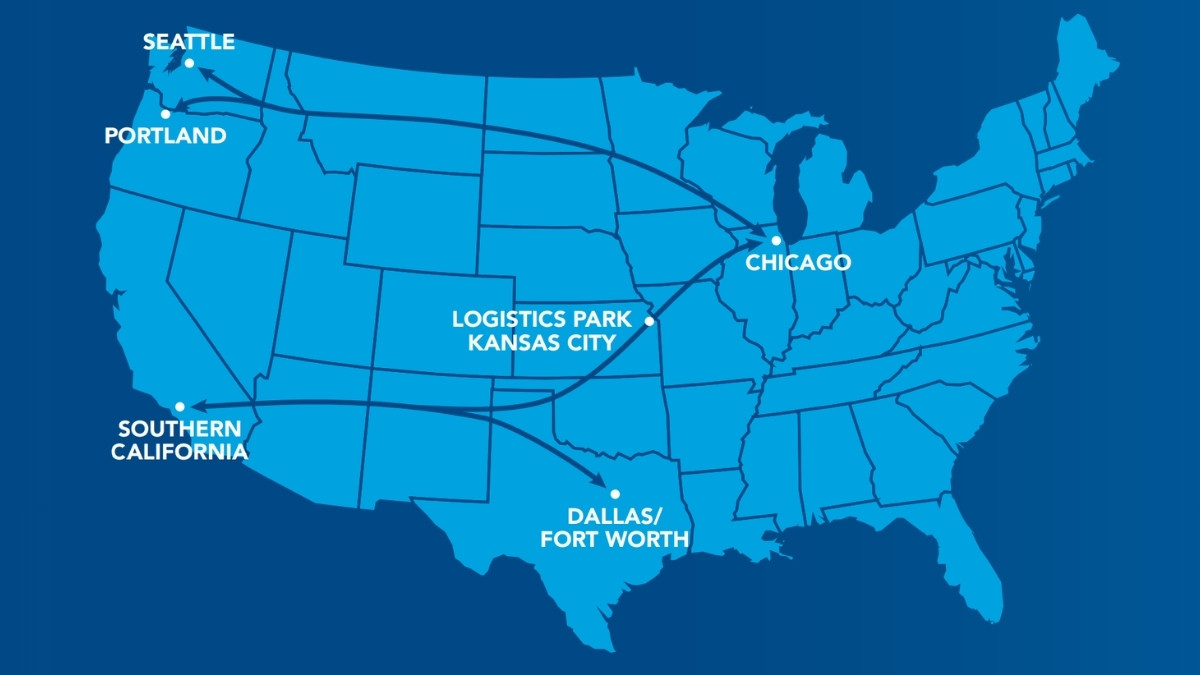
The comparison below illustrates how expedited intermodal transit times stack up against standard truckload service on several key lanes.
| Lane | Expedited Intermodal | Standard Truckload |
|---|---|---|
| SoCal to/from DFW | 4 days | 3 days |
| SoCal to/from Chicago | 5 days | 4 days |
| SoCal to/from Kansas/City | 5 days | 3 days |
| Portland to/from Chicago | 6 days | 4 days |
| Seattle to/from Chicago | 6 days | 4 days |
While transit times may be slightly longer in some lanes, many shippers find the tradeoff worthwhile when considering the potential transportation savings, improved capacity access, and reduced environmental impact.
2. Meaningful transportation cost savings
For many shippers, the primary advantage of expedited intermodal is the opportunity to reduce transportation spend without making significant compromises on service.
In many lanes, expedited intermodal can deliver savings of up to 20% compared to truckload. Those savings are becoming increasingly valuable as diesel price volatility, insurance costs, maintenance expenses, and labor pressures continue to drive higher truckload pricing across the market.
Recent freight market trends show truckload rates rising faster than intermodal pricing, particularly on mid-length and long-haul lanes where rail efficiency can create a meaningful cost advantage. As a result, many shippers are revisiting transportation networks that historically relied on truckload and identifying opportunities where expedited intermodal can help reduce total landed costs.
For organizations facing ongoing cost pressure, expedited intermodal offers a way to improve transportation efficiency without sacrificing network performance.
3. Priority handling from origin to destination
Reliability often matters as much as raw transit speed. Expedited intermodal services are designed to reduce the variability traditionally associated with rail by prioritizing freight throughout the transportation lifecycle. This helps shippers improve planning confidence, reduce disruption risk, and maintain service commitments even when transportation networks become more challenging.
This includes:
- Priority handling at rail ramps
- Coordinated drayage operations
- Faster pickup and delivery execution
- Reduced dwell times at key transfer points
The result is greater shipment visibility, improved consistency, and enhanced service reliability.
4. Reliable and scalable capacity
With driver availability tightening and transportation costs remaining elevated, many shippers are looking to diversify their transportation mix rather than relying exclusively on over-the-road capacity.
When truckload markets tighten, securing capacity can become both difficult and expensive. Expedited intermodal provides access to a broad, scalable intermodal network that helps shippers reduce exposure to truckload market swings while maintaining dependable service levels.
For businesses with recurring freight volumes, this can create a more resilient transportation strategy that balances cost and performance.
5. Supports sustainability goals
Transportation leaders are increasingly being asked to support corporate sustainability initiatives without sacrificing operational performance. For many shippers, that can feel like a difficult balancing act.
Intermodal helps make that balance possible. According to the Association of American Railroads, freight rail is approximately three to four times more fuel-efficient than trucking, resulting in an average 75% reduction in greenhouse gas emissions when freight moves by rail instead of truck.
By shifting eligible freight from truckload to intermodal, shippers can significantly reduce transportation-related carbon emissions while still maintaining the speed, reliability, and service performance their supply chains require.
Is expedited intermodal right for your business?
Not every shipment is a candidate for expedited intermodal. However, as transportation costs rise and supply chains become more complex, many shippers are discovering that lanes once considered truckload-only may now be viable intermodal opportunities.
Evaluating mode selection through the lens of total landed cost, service requirements, and network resilience can help uncover opportunities to improve both transportation performance and efficiency.
Expedited intermodal may be an ideal fit for shippers who:
- Routinely move freight over long-haul lanes
- Need more predictable transportation costs
- Are seeking alternatives to truckload market volatility
- Want to improve network resilience
- Have sustainability goals tied to transportation emissions
- Need transit times faster than traditional intermodal can provide
As transportation networks continue to evolve, shippers no longer need to choose between speed and efficiency. Expedited intermodal can help businesses gain access to truck-like transit performance, cost savings, dependable capacity, and a more sustainable transportation solution—all within a single network.
Ready to explore expedited intermodal?
If your business is looking to improve cost predictability, access more consistent capacity, or build long-term supply chain resilience, expedited intermodal may be the next best step in your optimization journey.
Talk with a C.H. Robinson transportation expert to evaluate your network and identify lanes where our expedited intermodal services can help optimize your supply chain.